Bnay Qyama - Children of the Covenant
Children of the Covenant
Monasticism or asceticism is not a subject that often enters everyday conversation, yet it is the foundation of the ‘medicinal nature of Eastern Spirituality’.1
Bnay Qyama - Children of the Covenant were followers of Isho Mshiha who, through baptism, followed a strict ascetic life and dedicated themselves entirely to the complete service of the Church. This way of life was open to bthule (virgins) and qaddishe (married people ‘who sanctify themselves by abstaining from marital relationship for the kingdom of God’).2 Existing from around the fourth century into the medieval period, and often described as proto-monasticism, their legacy still echoes in certain Eastern ascetical traditions today.3 This lifestyle, thought to be a faded image in the past, in reality provides a guiding light to the Margam (way) of Isho Mshiha in the present day and age: a spiritual pathway to holiness.
Ascetical Life
Every baptised Christian is called to holiness.4 Eastern Spirituality sets a great model for how to live an ascetic life - a way of self-discipline and complete focus on The One. The Bnay Qyama lived such a life in the early Church whilst still maintaining a commitment to: prayer and worship, purity of heart and total service to others.
It is in Mar Aphrahat’s Demonstration 6 on ‘The Covenanters’, where he writes extensively as to how to live the Bnay Qyama life. He writes various instructions concerning the life, some points in summary are:
- Awake from spiritual sleep
- Be vigilant for the Bridegroom
- Embody mercy
- Be salt of truth
- Serve the sick as service to Isho
- Clothe ourselves with humility
- Participate in Isho’s Suffering and Resurrection5
Role and Functions
Rooted in their baptismal commitment, The Children of the Covenant expressed their faith by means of service and disciplined worship. They truly were the powerhouse of the early Church through spiritual and communal life, uniting prayer with active service, including:
- Caring for the sick and poor
- Teaching scripture, psalms and hymns
- Maintaining the rhythm of worship
- Serving in liturgical roles especially the Bnat Qyama (Daughters of the Covenant) assisting with sacred songs and Bnay Qyama (Sons of the Covenant) assisting as caretakers of the sacred space
- Upholding church order6
Through these roles, they lived a baptismal life showing that holiness can be cultivated in the faithful service of Alaha’s people.
Bnay Qyama: A Living Covenant in Today’s World
Although Bnay Qyama was initially an exclusive group in the early Church, its principles remain a road to perfect union with Isho Mshiha. As followers of Isho in our time, we are called to live out our baptismal promises with seriousness and joy.
In the Syro-Malabar tradition, this covenantal spirit is nurtured through the Raze Qandishe (Holy Mysteries), the Liturgy of the Hours, the sacraments, and the Church’s fasting seasons. The East Syriac heritage embraces 225 annual fasting days7: marked by prayer, abstinence, silence, and contemplation of Scripture, which form a living bridge between ancient discipline and modern Christian life. These seasons of self- denial and biblical meditation echo the Nazrani tradition, reminding us that holiness is not only confined to monasteries but attainable in every walk of life.
Notably, the Liturgy of the Hours offers a profound way to unite ourselves with the rhythm of the Church’s prayer, letting that rhythm shape our journey toward mystical union with Isho. The Lenten vigils and fasts, especially Sawma Ramba (Great Fast), allow the Church, the Bride of Isho, to enter the desert experience in prayerful vigilance, preparing for her spiritual union with the Bridegroom. Such discipline is central to the Bnay Qyama commitment: fasting is not merely about material renunciation, but about purifying the heart, strengthening self-control, and setting us on the path to holiness.8
This lifestyle is not individualistic but deeply communal. In sacrificing our own desires, we are called to make disciples, baptising them and teaching them to obey Isho’s commandments. Yet, as Mar Aphrahat warns, “Read, learn, and be diligent in both reading and action. Let the Law of God be your meditation all the time.” Without knowing His Word ourselves, we cannot teach it to others.
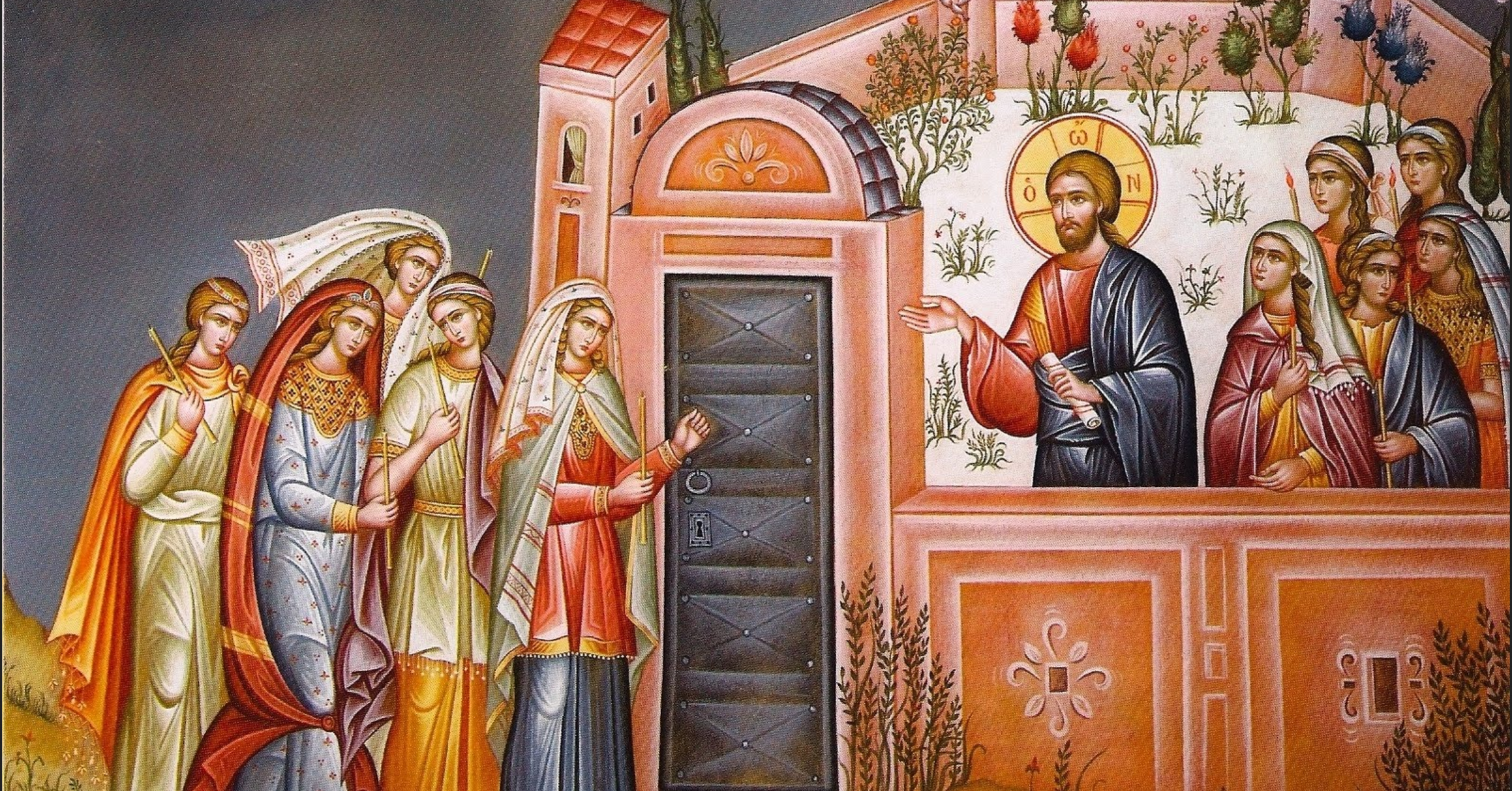
To live the asceticism of the Bnay Qyama today means not only receiving the Ihidaya (The Only Begotten) but also becoming ihidaye - followers of The One. Even in the noise and distractions of the modern age, the same covenant fidelity can be lived: awake, vigilant, merciful, and wholly given to Isho. This is the joy of meeting the Bridegroom, with lamps burning brightly, ready to enter the feast of His Kingdom.
Footnotes
-
Pope Leo XIV, Address to the Jubilee of Oriental Churches. ↩
-
Kollamparampil, T., Syriac Mysticism, Revised Edition, 2021. https://www.syriacstudies.com/wp-content/uploads/2021/08/Syriac-Mysticism.-Kollamparampil.revised.pdf ↩
-
Beth Mardutho: The Syriac Institute, Entry on Bnay Qyama / Bnat Qyama. https://gedsh.bethmardutho.org/Bnay-Qyama-Bnat-Qyama ↩
-
Catechism of the Catholic Church (CCC), no. 2013. ↩
-
Mar Aphrahat, Demonstration 6, available at New Advent: https://www.newadvent.org/fathers/370106.htm ↩
-
Smith J. Ancient Egyptian Religion. In: Database of Religious History 2020 https://religiondatabase.org/browse/843 ↩
-
J. Aerthayil, The Spiritual Heritage of the St Thomas Christians (Bangalore 1982, repr. 2001). ↩
-
Syro Malabar Yamaprarthanagal, First Sunday of Sawma Ramba, Onissa d’vasar ↩
Ritty Tomichen CMC
Aspirant, Congregation of Mother of Carmel
Syro-Malabar Eparchy of Great Britain